The war launched by the US and Israel is already changing the geopolitics of the Middle East. This process will only deepen as the long-term consequences of this war unfold.
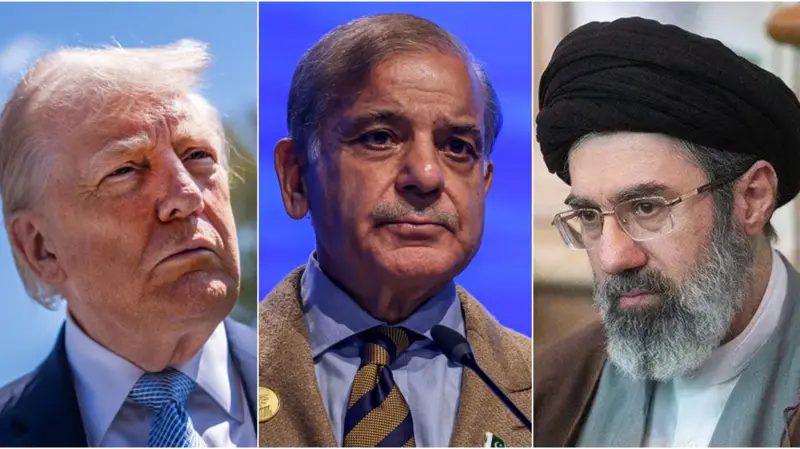
The US and Israel have inflicted severe damage on Iran’s armed forces, its military structure, and its civilian infrastructure. However, although the Iranian regime has suffered a severe setback, it remains intact. Regime change is not happening. Iran still has the ability to launch missiles and drones.
This means that despite their high-sounding claims, the US and Israel have not been able to translate their military successes into strategic superiority.
On the other hand, Iran has proven that closing the Strait of Hormuz gives it a strategic power that Donald Trump either ignored or did not understand, especially when he was listening to Israeli Prime Minister Benjamin Netanyahu’s arguments for war against Iran.
When Iran was attacked, it closed the Strait of Hormuz, and it was no surprise. Iran has threatened to close the route in the past, and it also disrupted oil shipments there during the war with Iraq in the 1980s.
For decades, assessing the impact of a potential closure of the Strait of Hormuz has been part of the foreign and defense strategies of all countries that rely on maritime trade through the route, including the United States. But despite this, Donald Trump hastily launched a war that many experts consider unwise.
Before the US and Israeli attacks on Iran, about 20 percent of the world’s oil and gas passed through the Strait of Hormuz every day. It also carried key petrochemical products used in agricultural fertilizers and high-tech products, including semiconductors.
The impact of the closure of the Strait of Hormuz has been magnified many times over, perhaps more than the Iranian leadership might have anticipated, given the interconnectedness of the global economy.