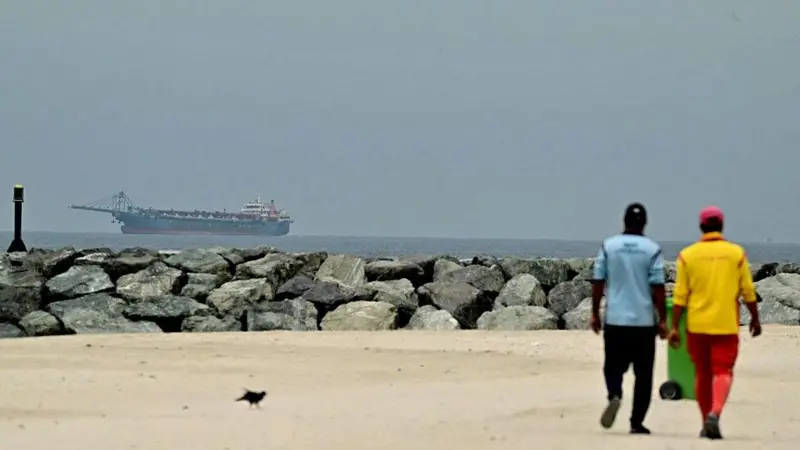
After the first round of Iran-US talks in Pakistan ended inconclusively, US President Donald Trump ordered the launch of a naval blockade of Iran and restrictions on the movement of ships through its ports.
The action once again pointed to one of the oldest weapons of pressure during war and military tensions: closing sea lanes to weaken the economy, restrict trade and force the other side to change its behavior, surrender and retreat.
A naval blockade is not just a military measure, but also has legal, economic, humanitarian, and diplomatic dimensions. During World Wars I and II, this tactic played a significant role in weakening the military power of countries.
However, in other cases, such as Gaza and Yemen, blockades have fueled humanitarian crises and legal disputes rather than political change.
Historical experience suggests that this tactic is usually successful in exerting economic pressure, but rarely leads to lasting political solutions on its own.